Introduction: Why Rider Weight Is The Factor For Ebike Suspension Tuning
Most off-road ebike riders make one common mistake: using factory default suspension settings straight out of the box, regardless of their body weight. A suspension tuned for a 150lb rider will feel dangerously soft and bottom out constantly for a 250lb rider. Meanwhile, factory-firm suspension will feel stiff, bumpy and numb for lighter riders under 140lbs.
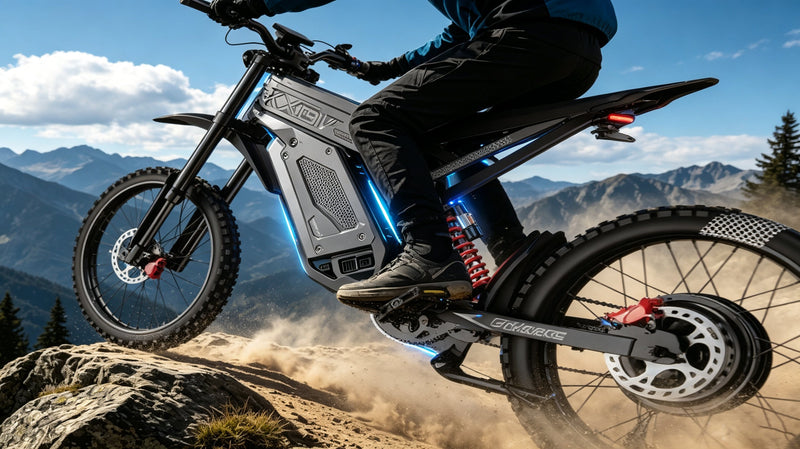
Ebike suspension faces far more stress than standard bikes: heavier overall bike weight, faster off-road speeds, steep mountain climbs, hard landings on rocky trails, and extra payload from camping/hunting gear. Whether you own a front-suspension fat tire ebike or a premium full lockable suspension model like the WholeBikes Rhion Dual Motor, adjusting preload, air pressure, sag and rebound based on your exact body weight directly improves:
-
Riding comfort on rough mountain and bumpy trails
-
Bike stability during high-speed off-road cruising
-
Avoidance of suspension bottom-out or harsh top-out impacts
-
Better traction for steep uphill climbs and loose gravel terrain
-
Longer lifespan for front forks, rear shocks and sealed suspension components
In this complete guide, we break down plug-and-play suspension settings for 3 core rider weight categories, step-by-step sag setup tutorials for air forks and coil shocks, rebound/compression adjustment rules, and exclusive tuning tips for WholeBikes Rhion full suspension dual-motor ebikes.
Key Terminology Every Ebike Rider Must Know First
Before making any adjustments, master these three core suspension terms tailored for heavy off-road ebikes:
1. Sag (Most Important Setting)
Sag refers to how much your suspension compresses simply under your body weight when sitting stationary on the bike. For all mountain ebikes, the ideal sag range is 20% front fork sag + 25% rear shock sag. Too much sag = soft suspension, constant bottom-out. Too little sag = stiff suspension, no impact absorption on rocks.
2. Preload
Only for coil spring suspension: increases initial spring stiffness to support heavier riders without over-compressing the spring at rest.
3. Rebound & Compression
Rebound controls how fast suspension bounces back after absorbing a bump. Compression controls how easily suspension compresses when hitting obstacles. Heavier riders need slower rebound; lighter riders need faster rebound for responsive riding.
Weight-Based Suspension Preset Chart (Front Fork + Rear Shock)
We tested these settings on standard off-road ebikes and the WholeBikes Rhion lockable full suspension system. All values include full riding gear (helmet, backpack, shoes) — add 5PSI extra air pressure if you regularly carry heavy cargo.
|
Rider Weight Category
|
Exact Weight Range
|
Front Air Fork Pressure
|
Rear Shock Air Pressure
|
Coil Spring Preload Turns
|
Rebound Speed
|
|---|---|---|---|---|---|
|
Light Rider
|
110lbs – 160lbs (50kg – 72kg)
|
75 – 90 PSI
|
130 – 150 PSI
|
1 – 1.5 turns preload
|
Fast rebound (3 clicks open)
|
|
Medium Rider (Most Common)
|
160lbs – 220lbs (72kg – 100kg)
|
90 – 110 PSI
|
150 – 175 PSI
|
2 – 2.5 turns preload
|
Medium rebound (2 clicks open)
|
|
Heavy Rider
|
220lbs – 280lbs (100kg – 127kg)
|
110 – 135 PSI
|
175 – 210 PSI
|
3 – 3.5 turns preload
|
Slow rebound (1 click open)
|
WholeBikes Rhion Exclusive Tip: The Rhion features 120mm front travel and 100mm rear travel lockable suspension. Deduct 5PSI from front fork pressure if you lock suspension for flat high-speed trails; add 10PSI rear shock pressure for steep mountain downhill runs.
Step-by-Step Universal Sag Setup Process (Works For All Ebikes)
Follow this 5-minute routine every time your riding weight changes or before mountain trail trips. You only need a shock pump and an O-ring (included with most high-end ebikes like WholeBikes Rhion).
-
Reset the O-ring: Slide the rubber O-ring all the way down to the dust seal on your front fork stanchion and rear shock shaft.
-
Mount the bike naturally: Sit on the saddle in your normal riding position, hold the handlebars, keep both feet on the footpegs, and stay still for 10 seconds to let suspension settle. Do not bounce up and down.
-
Dismount slowly: Step off the bike without pushing down or lifting the suspension.
-
Measure sag travel: Check the gap between the O-ring and dust seal. Aim for 20% front sag, 25% rear sag.
-
Fine-tune pressure:
-
O-ring too far down (too much sag): Add air pressure / increase preload
-
O-ring barely moved (too little sag): Release small amounts of air / reduce preload
-
Detailed Suspension Tuning By Rider Weight & Riding Scenarios
1. Light Riders (110lbs – 160lbs): Avoid Stiff, Harsh Ride
Light riders face the biggest issue with factory ebike suspension: overly stiff forks that transfer every rock and bump directly to your wrists and back. Many light riders mistakenly run maximum air pressure, ruining trail comfort entirely.
-
Core adjustment rule: Run lower air pressure, faster rebound to let suspension react quickly to small trail bumps
-
Lockout usage: Keep suspension unlocked for all mountain trails; only lock front fork on smooth paved roads
-
Common mistake to avoid: Never max out fork pressure — you will lose all traction on uneven single-track paths
2. Medium Riders (160lbs – 220lbs): Balanced All-Terrain Setup
This weight range matches most ebike factory baseline settings, but factory suspension is still slightly too soft for heavy ebike frames and motors. A small pressure upgrade delivers perfect balance for mixed terrain: uphill climbs, rocky trails and flat gravel paths.
-
Core adjustment rule: Stick to medium pressure and medium rebound for versatile performance
-
WholeBikes Rhion custom tweak: Adjust dual preload knobs evenly on front and rear suspension to keep balanced AWD traction for dual motor output
-
Best for: Weekend mountain trips, casual off-roading and daily trail commutes
3. Heavy Riders (220lbs – 280lbs): Prevent Bottom-Out & Suspension Damage
Heavy riders risk permanent suspension damage without proper tuning. Excessive sag will make your fork or rear shock bottom out on every downhill impact, bending internal shafts and wearing seals rapidly. This is especially critical for heavy dual-motor ebikes like the WholeBikes Rhion, which already carry extra motor weight.
-
Core adjustment rule: Higher air pressure, maximum preload, slow rebound to hold suspension firm under heavy static load
-
Cargo riding upgrade: Add 15PSI rear shock pressure when carrying camping or hunting gear
-
Warning: Never run suspension below minimum recommended pressure listed on fork stanchion to avoid internal seal failure
Rebound & Compression Tuning Cheat Sheet
Once your sag is perfectly set based on weight, fine-tune rebound and compression to match trail conditions:
How To Tell If Rebound Is Wrong
-
Rebound too fast (light riders common issue): Bike bounces like a pogo stick after hitting bumps, unstable at high speed → slow rebound by 1–2 clicks
-
Rebound too slow (heavy riders common issue): Suspension stays compressed after impacts, cannot absorb consecutive bumps → speed up rebound by 1–2 clicks
Compression Adjustment For Mountain Trails
-
Smooth uphill climbs: Increase compression (firmer suspension) to avoid suspension bobbing while pedaling
-
Rocky downhill trails: Decrease compression (softer suspension) for maximum impact absorption
-
WholeBikes Rhion lockable compression: Full lock mode eliminates all suspension movement for efficient uphill pedaling
Common Suspension Issues Caused By Wrong Weight Settings (Troubleshooting)
|
Symptom
|
Root Cause
|
Quick Fix
|
|---|---|---|
|
Wrist pain, harsh bump feedback
|
Too high air pressure for your weight
|
Release 5–10PSI from front fork
|
|
Rear suspension bottoms out on small drops
|
Insufficient rear shock pressure
|
Add 10–15PSI rear shock air pressure
|
|
Bike bounces uncontrollably on rough trails
|
Rebound speed too fast
|
Slow rebound by 2 clicks
|
|
Pedal bob during steep uphill rides
|
Low compression setting
|
Increase compression or enable suspension lockout
|
Special Tuning Tips For WholeBikes Rhion Dual Motor Full Suspension Ebike
As highlighted in our previous mountain ebike review, the WholeBikes Rhion adopts dual lockable full suspension paired with powerful dual motors. Its suspension tuning differs from ordinary fat tire ebikes due to heavier overall vehicle weight and AWD power delivery:
-
Keep front and rear suspension balanced: Always adjust front and rear pressure proportionally. Unbalanced suspension will cause uneven wheel traction when both motors output full power.
-
Turbo mode suspension tweak: When riding in Turbo dual-motor mode with instant explosive power, add 5PSI front and rear pressure to prevent sudden suspension compression during hard acceleration.
-
Cold mountain weather adjustment: Air pressure drops naturally in cold environments. Add 8–10PSI total pressure for winter or high-altitude mountain rides to maintain standard sag values.
-
Long trail maintenance tip: Check suspension sag every 2 weeks regularly; the Rhion’s heavy-duty dual motor system creates extra vibration that slowly reduces air pressure over time.
Final Verdict: Custom Suspension = Safer, Faster Mountain Ebike Rides
Suspension adjustment is not a one-time setup job — it needs to match your unique body weight every single season. Factory default settings are only generic references, never optimized for your build, gear load or riding style.
For light riders, softer suspension unlocks comfort; for medium riders, balanced settings work for all scenarios; for heavy riders, firmer suspension protects expensive fork and rear shock components from permanent damage. If you own a premium full-suspension dual-motor ebike like the WholeBikes Rhion, precise weight-based tuning will also maximize your AWD traction and extend the service life of your high-performance suspension system.
Quick Pre-Ride Suspension Checklist
-
✅ Confirm air pressure matches your rider weight bracket
-
✅ Measure front and rear sag before hitting mountain trails
-
✅ Fine-tune rebound speed based on trail bump severity
-
✅ Lock suspension for flat roads, unlock for rocky rough terrain